Who are the givers?
Neighbors experiencing homelessness or financial insecurity — people who used to have to ask strangers for help. Worth Keeping flips their position: they carry something people actually want, give it first, and earn income when a sticker becomes a customer.
How does a giver earn money?
Two ways. When someone they gave a sticker to redeems the offer at a local business, the business pays the giver a fixed amount — $10 in our working example, the same service ad platforms charge $30–$70 for. And when a keeper buys a sticker out of circulation, a portion of that sale, after operating costs, goes to the giver too. One sticker can pay the same person several times over its life.
Is this charity?
No. Nobody is donating and nobody is receiving alms. The keeper gets art and a deal, the business gets a customer at a fraction of ad cost, and the giver gets paid for making the introduction. It’s customer acquisition that happens to be human.
Can I buy the sticker?
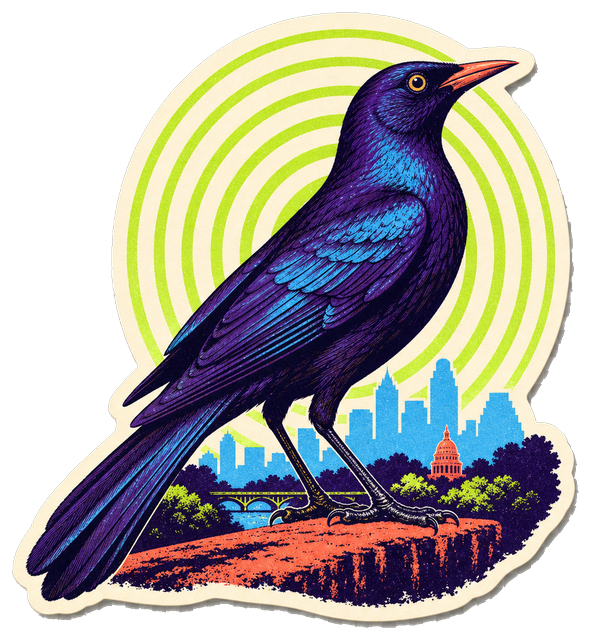
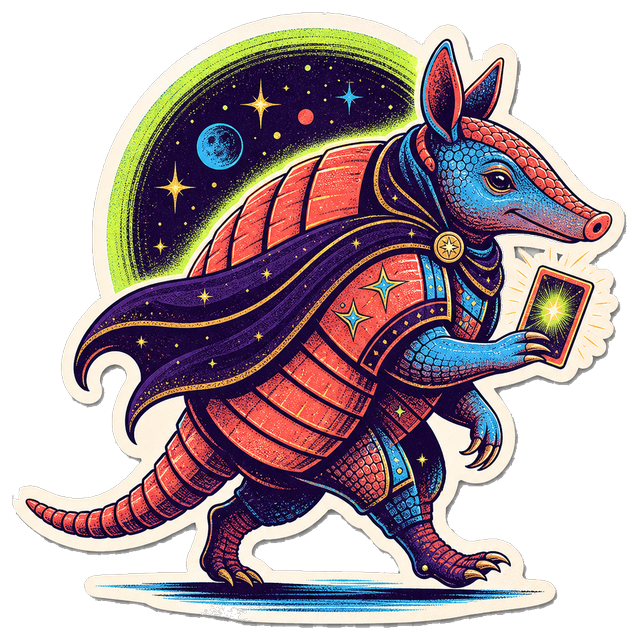
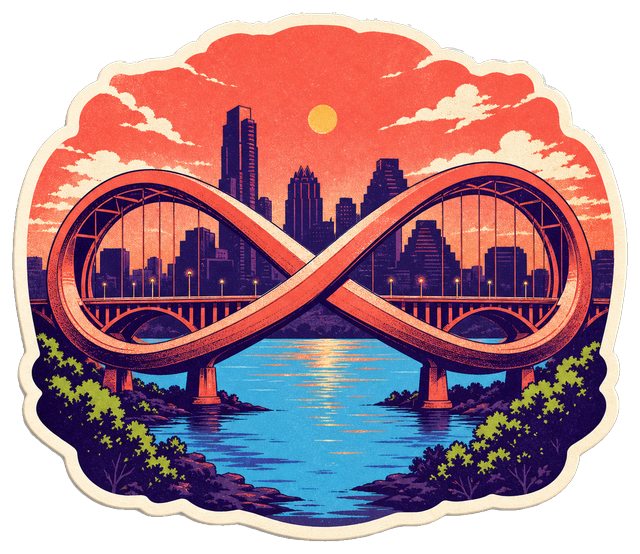
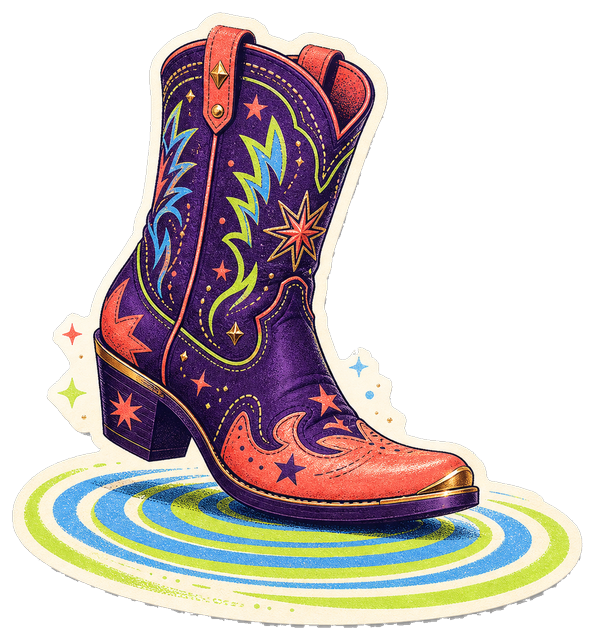
Yes — that’s one of its two futures. Collect it and it leaves circulation as a registered piece of the drop, and a portion of the purchase, after operating costs, goes to the giver who passed it on. Or pass it forward and someone else becomes the next keeper. Purchase terms are planned and set per drop. Owning a sticker never transfers the artist’s original work or copyright.
What does the artist get?
Full control and a stage. Artists approve every reproduction, the front never carries a logo or code, and each drop artist gets a page in the app promoting their story, socials, and open commissions — every scan is an introduction to their work.
Do I have to scan the sticker?
No. The sticker is a gift and keeping it carries no obligation. Scanning is optional and everything can be browsed without sharing anything.
Do I need the sticker to use my offer?
No. Once the code on the back reveals your offer, the sticker’s job is done — the offer lives in your Worth Keeping app wallet, and that’s what you show at the counter. The sticker goes back to being what it started as: art worth keeping, or worth passing on.
Why would a business pay for this?
Because it’s cheaper than what they already pay. A new walk-in customer through ads typically costs $30–$70; through Worth Keeping the working example is $10 — and the spend stays in the neighborhood, attached to a story customers feel good about.
When does the pilot start?
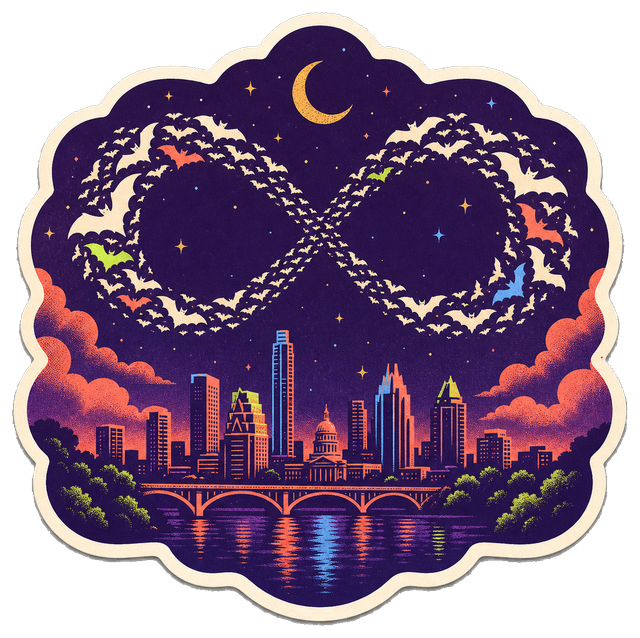
Drop 001 is planned for Austin. Timing, payout terms, and partners are being set with founding businesses now — anything we can’t yet verify is labeled planned, and we’d rather tell you that than guess.